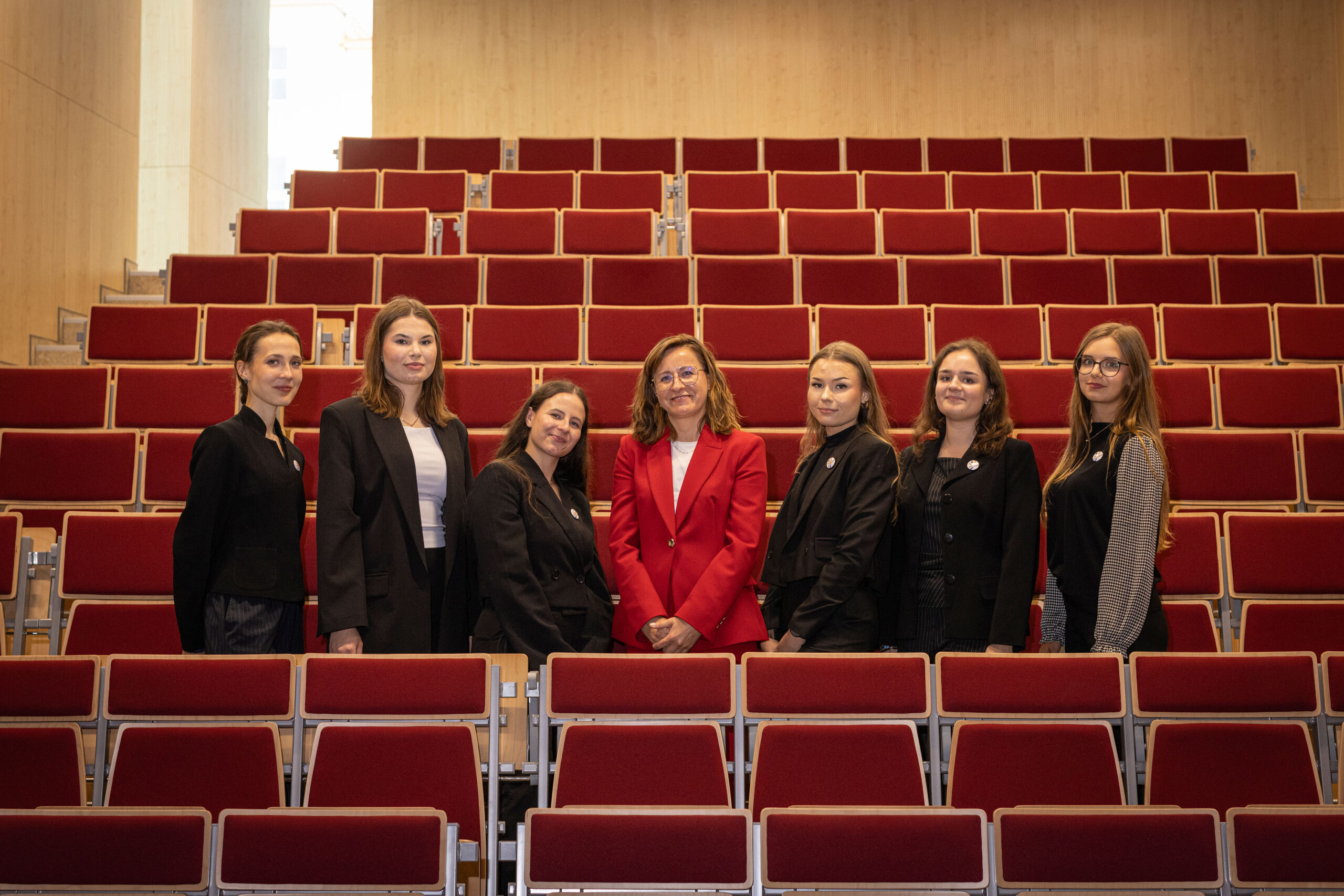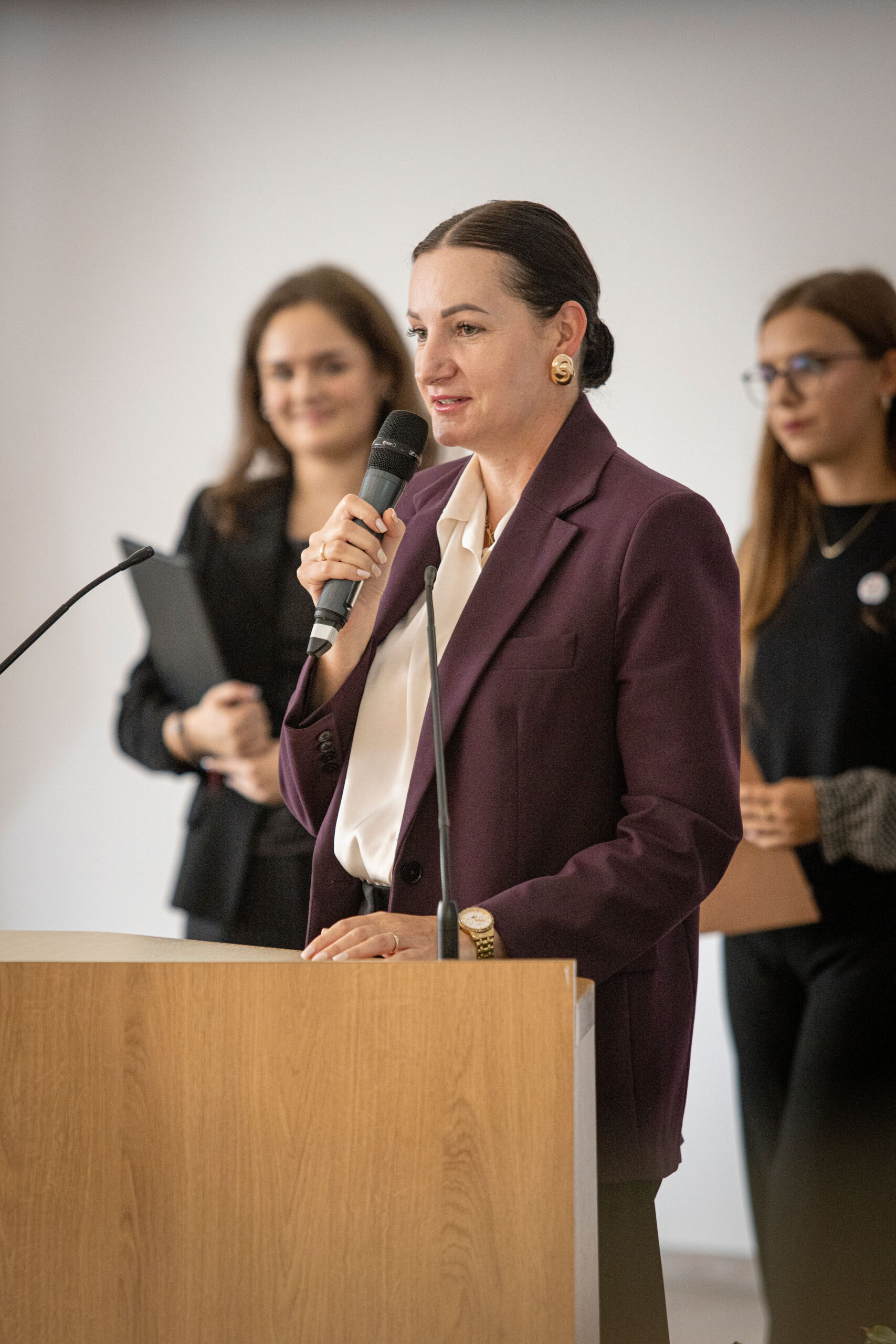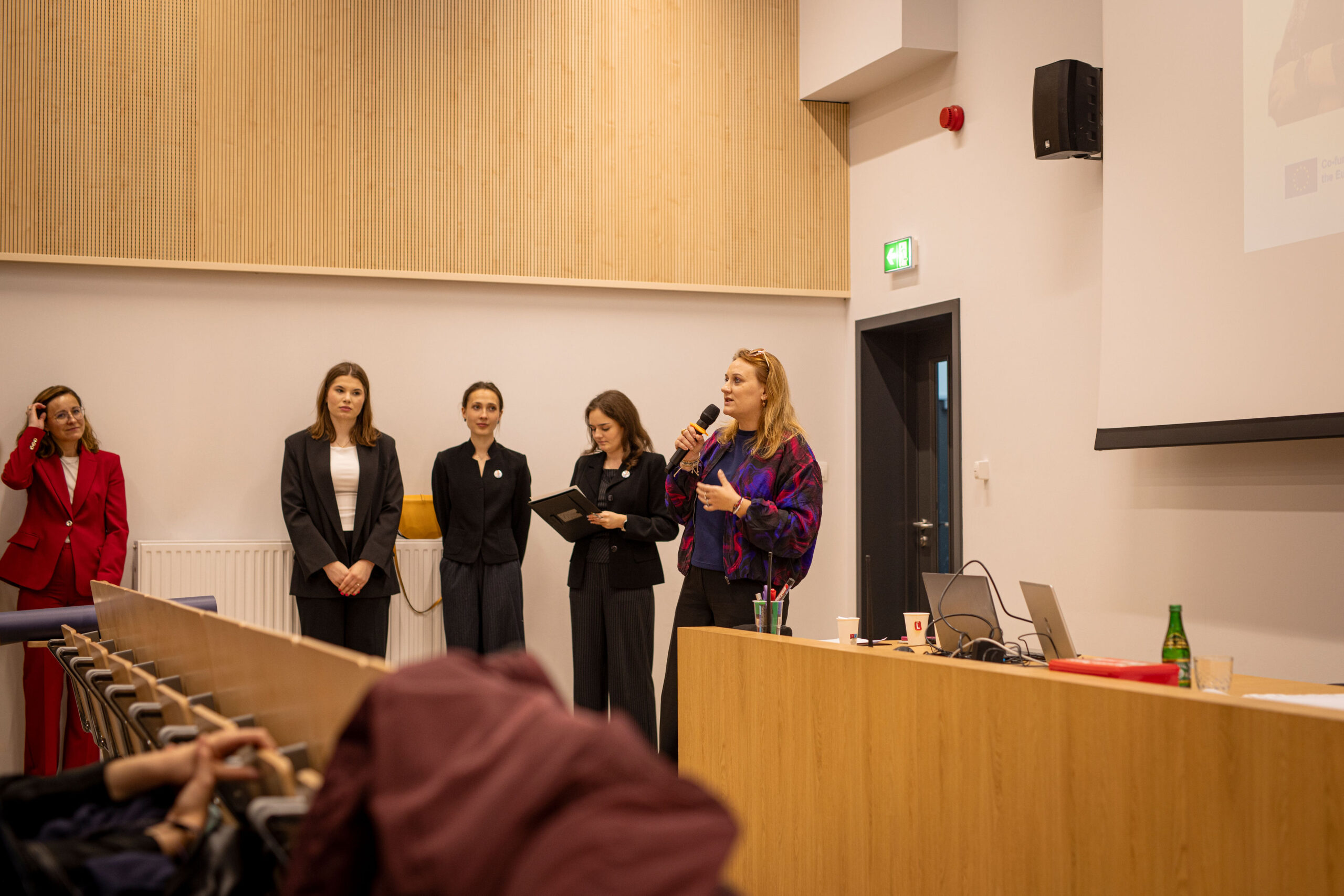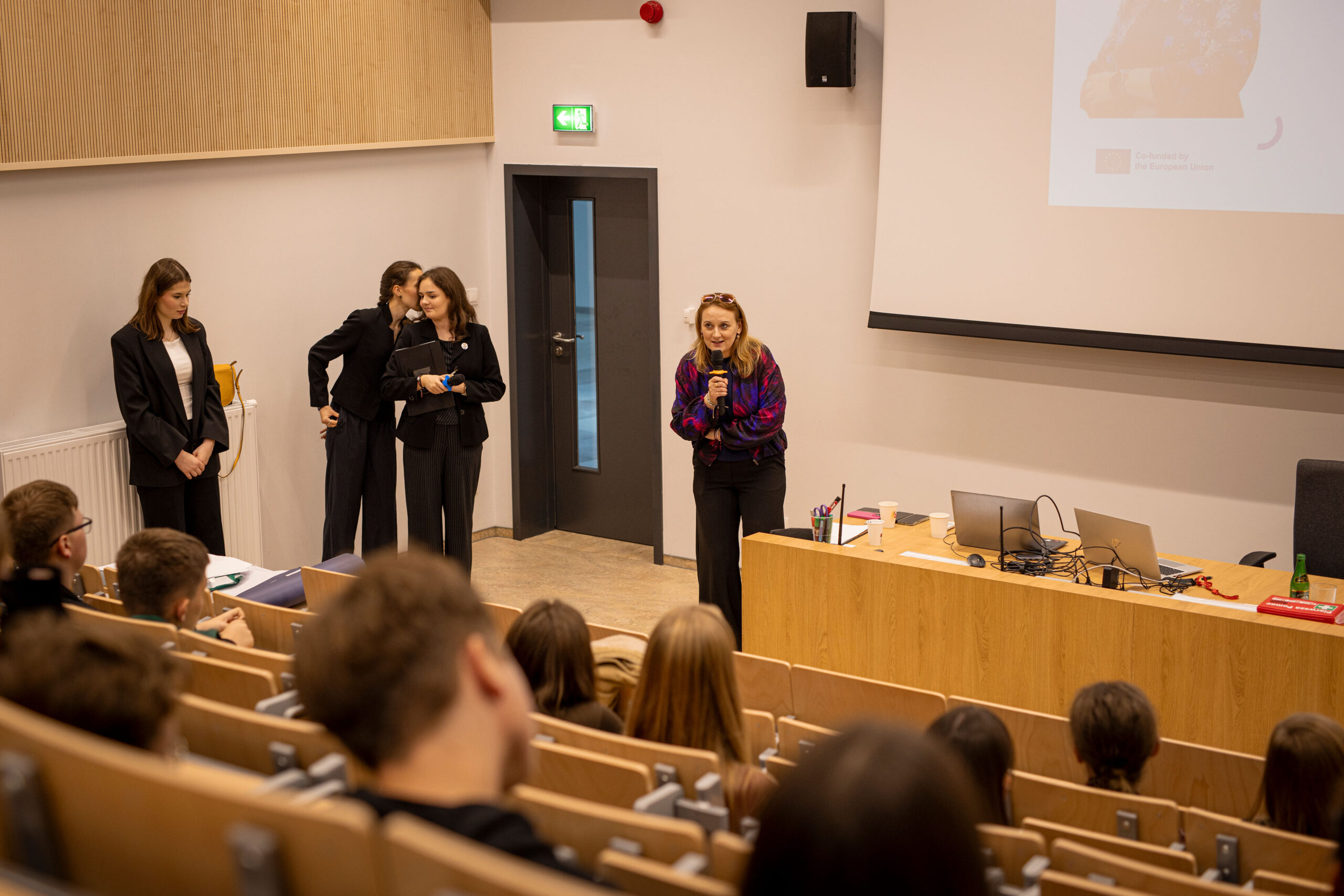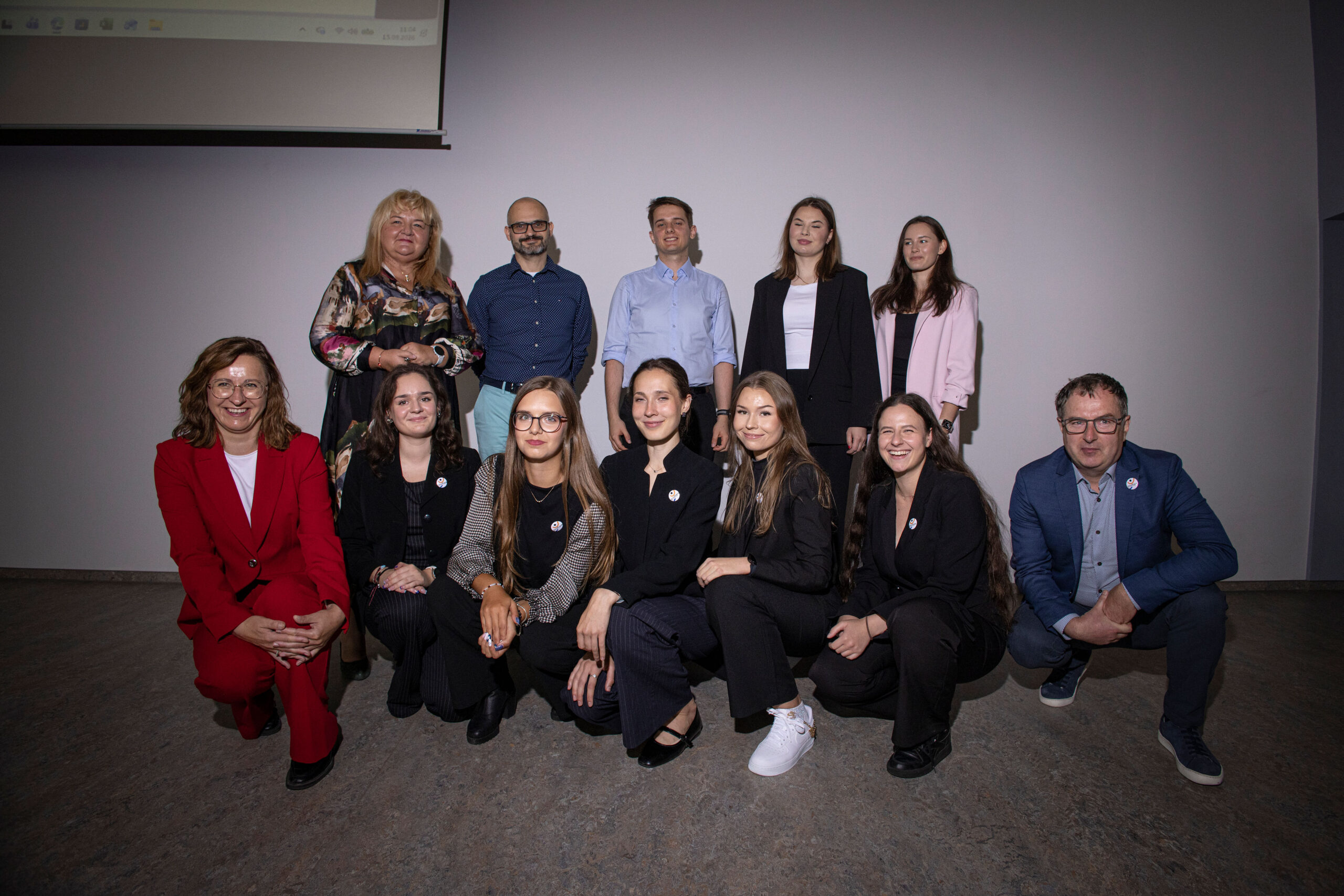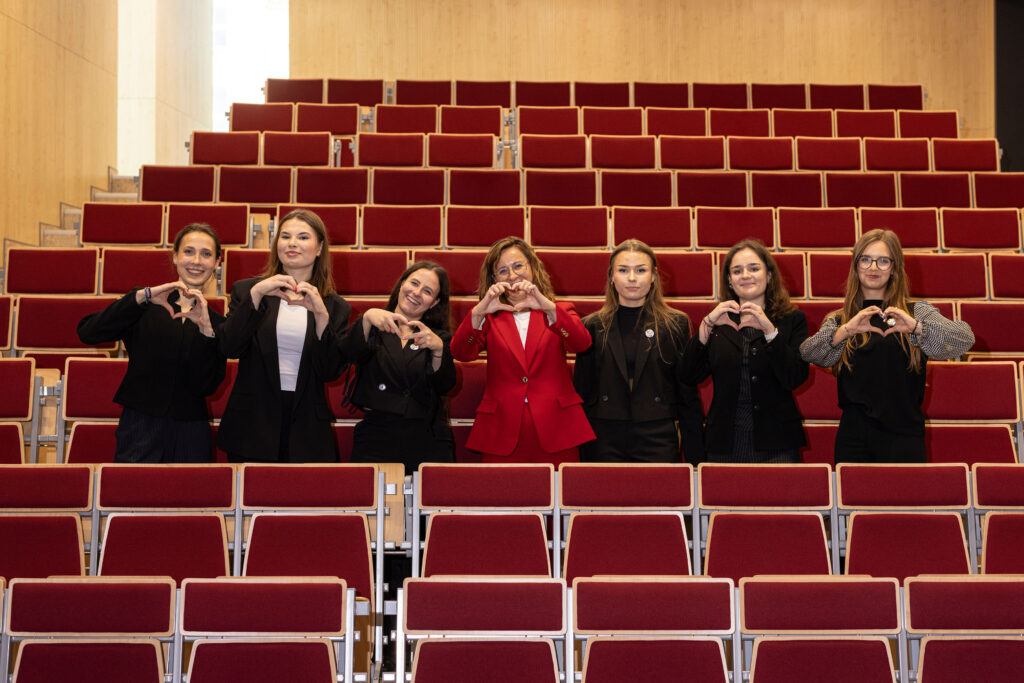
On 15 September, pedagogy students specialising in “Care and Therapy” at the University of Łódź — Wiktoria Martin, Zuzanna Szymańska, Dominika Polityło and Oliwia Kuczyńska — joined Julia Patok and Antonina Łukasik to organise the 1st Democratic Youth Forum at the Faculty of Educational Sciences of the University of Łódź. The students’ work was academically supervised by Dr Anna Jarkiewicz.
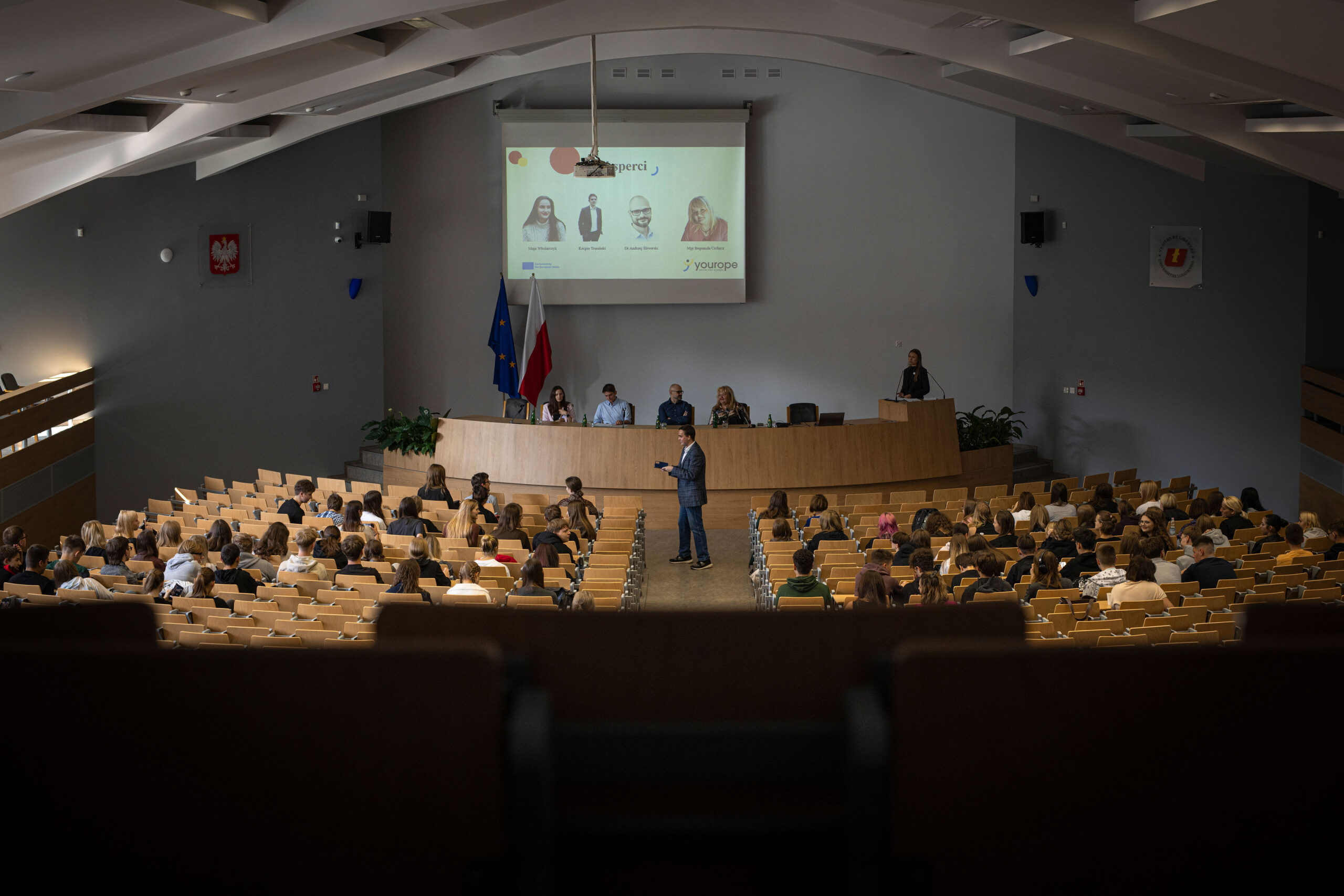
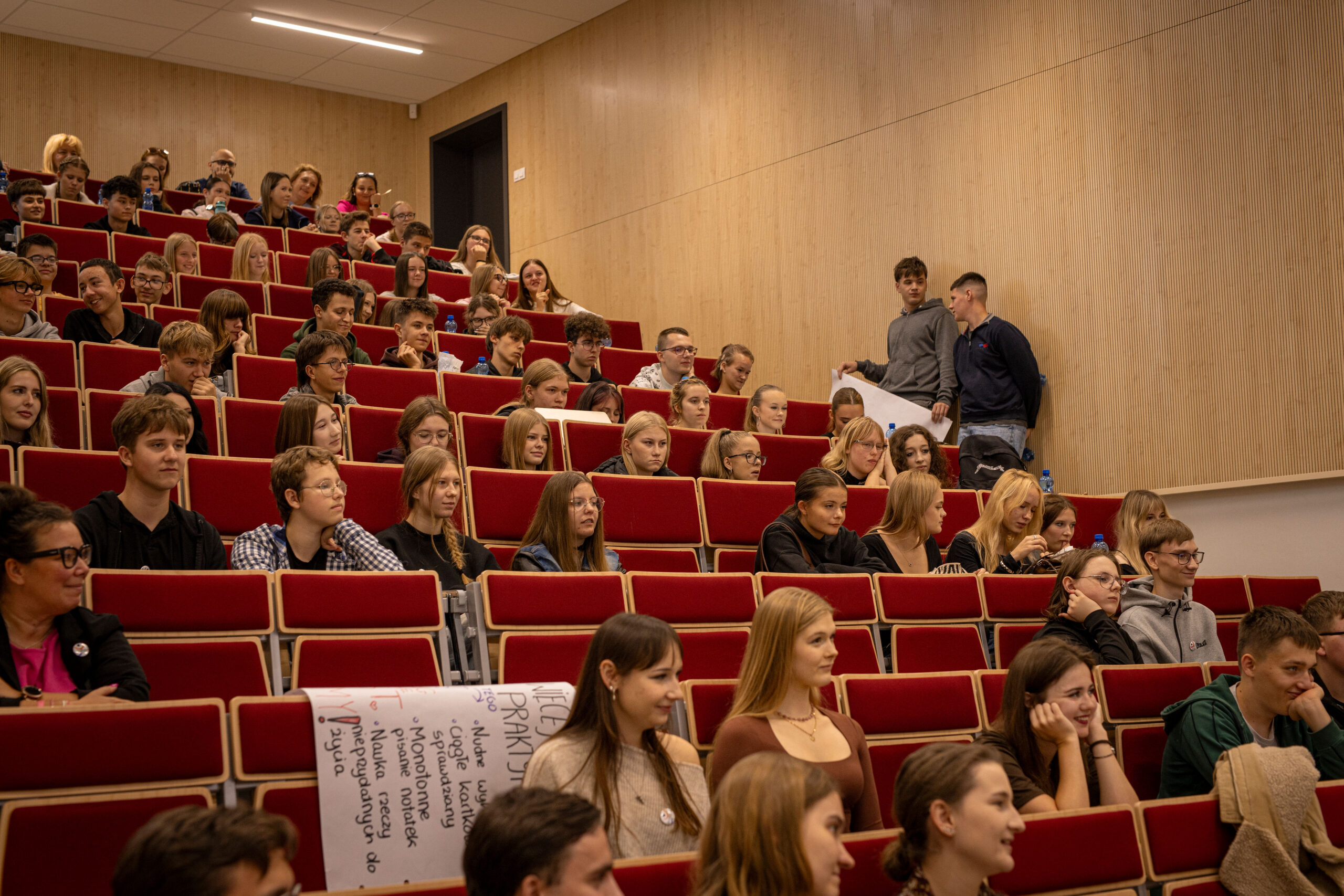
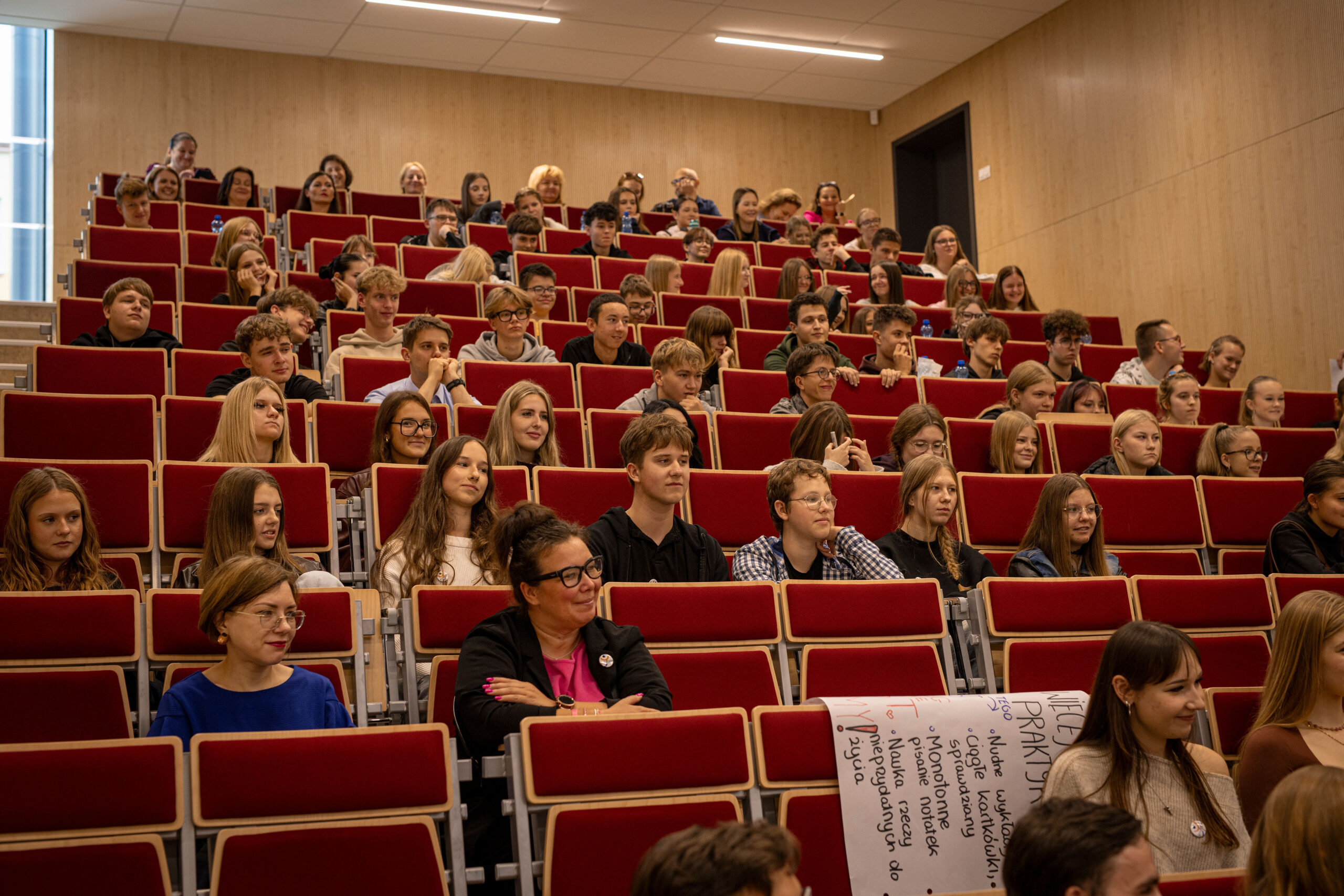
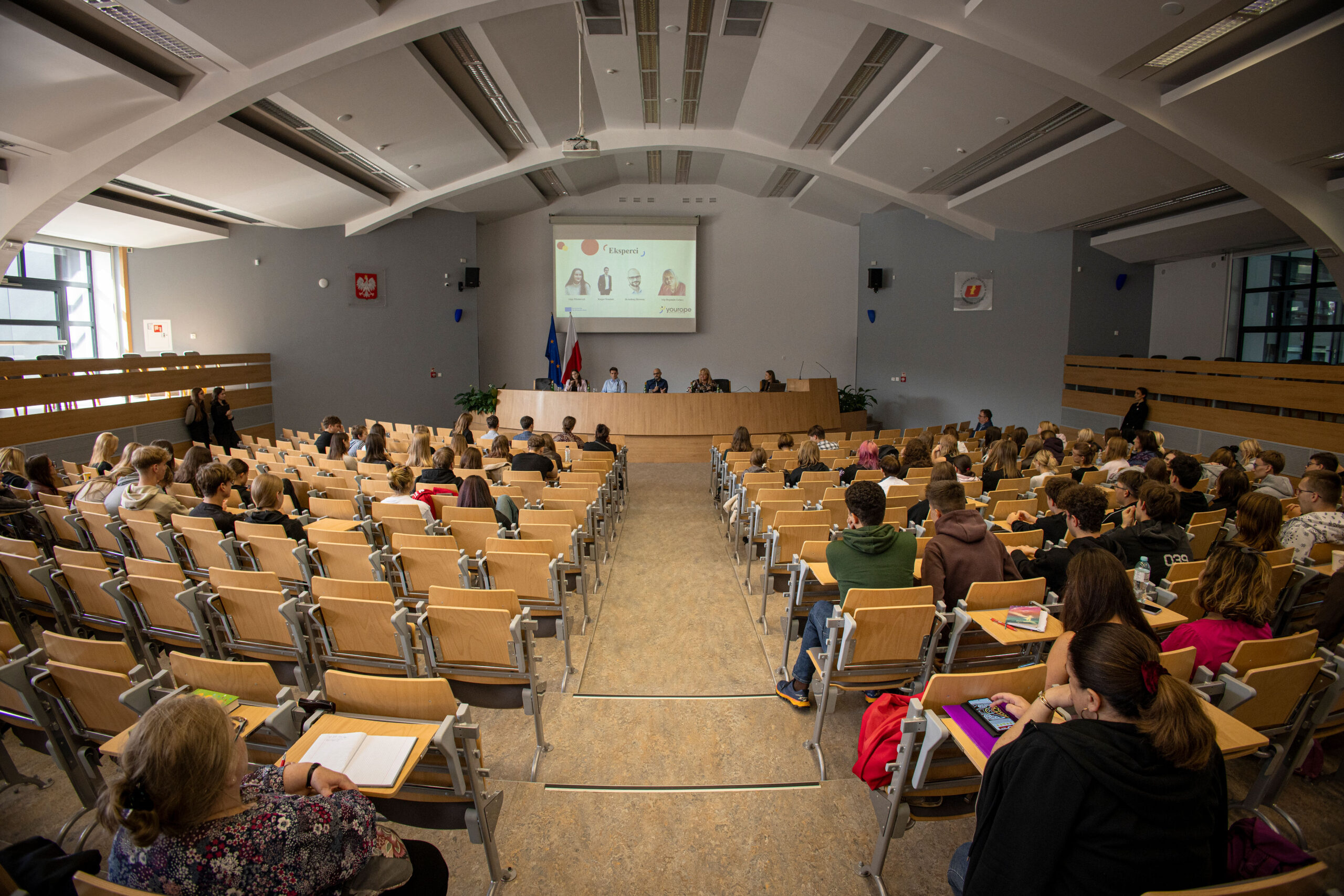
Held as part of the Horizon Europe project YOUROPE – “Visionary Roadmaps: Crafting an Inclusive and Participatory European Democracy with Youth and Communities”, the Forum brought together nearly 130 young people, educators, experts, and representatives of local government to discuss the challenges facing education and explore how young people can take a more active role in shaping their schools and communities.
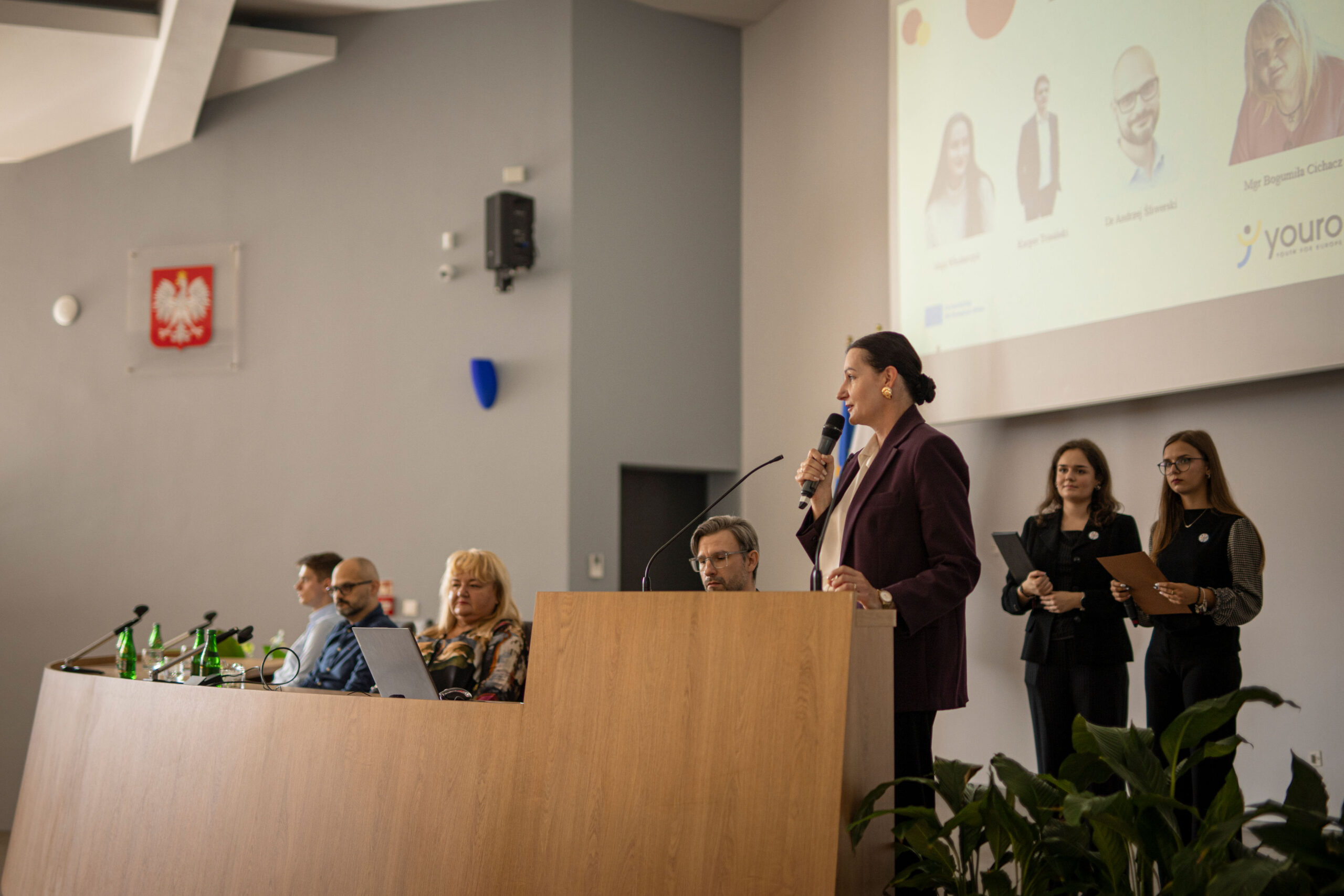
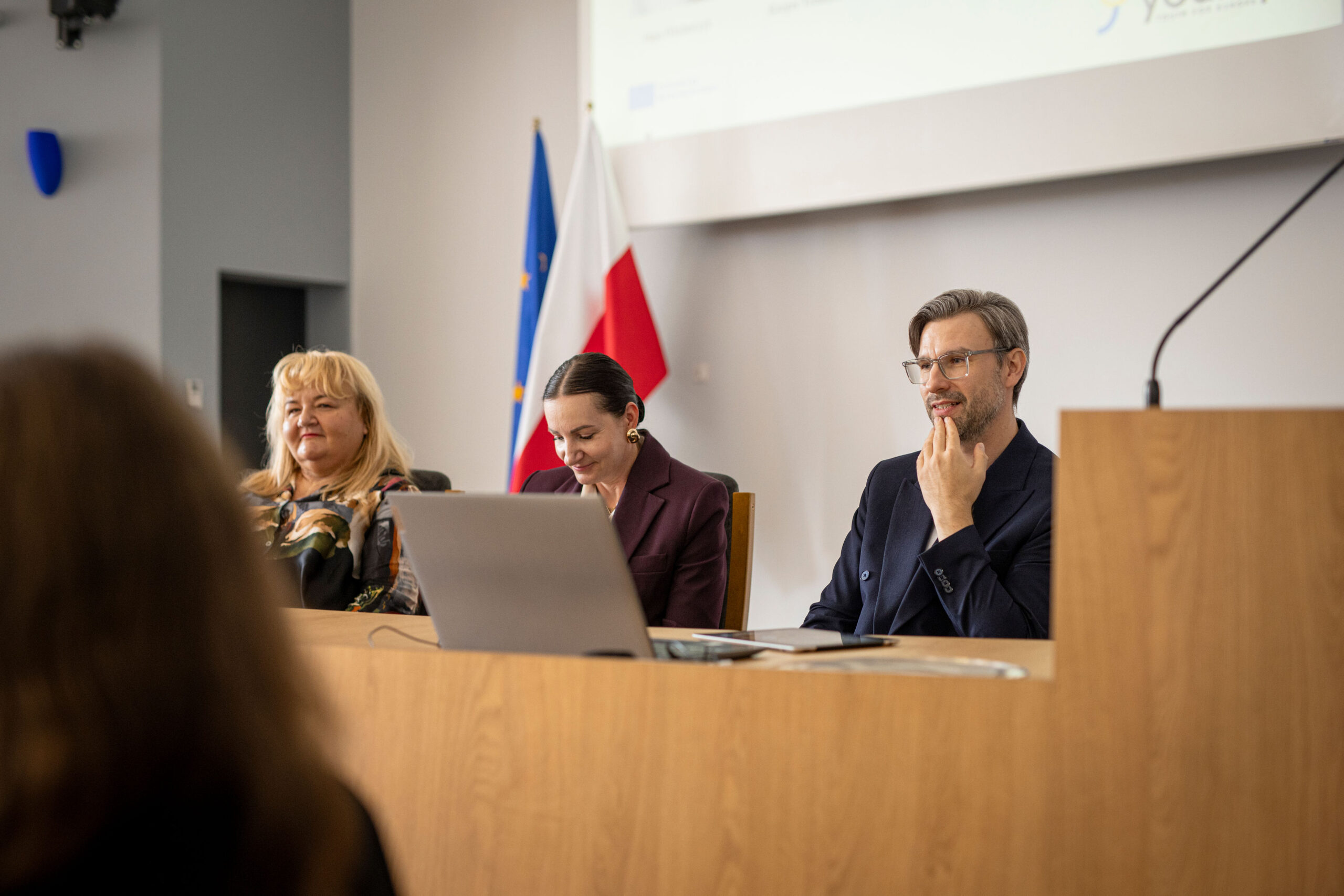
The event opened with a discussion on current challenges in education, bringing together Agata Kobylińska, Plenipotentiary of the Mayor of Łódź for Children and Young People; Maja Włodarczyk, Councillor of the Łódź City Council; Andrzej Śliwerski, psychologist and researcher at the Institute of Psychology of the University of Łódź; Bogumiła Cichacz, Headteacher of Primary School No. 70 in Łódź; and Kacper Trusiński, President of the Student Research Group for Family and Guardianship Law. Their discussion offered different perspectives on the realities and challenges of contemporary education.
The Forum also welcomed representatives of the city and university, including Małgorzata Moskwa-Wodnicka, Deputy Mayor of Łódź; Jarosław Pawlicki, Director of the Department of Education at the Łódź City Office; Joanna Miniszewska, PhD, Associate Professor at the University of Łódź, Vice-Dean for Student Affairs and Academic Programmes; and Mariusz Granosik, PhD, Associate Professor at the University of Łódź, Head of the YOUROPE project.
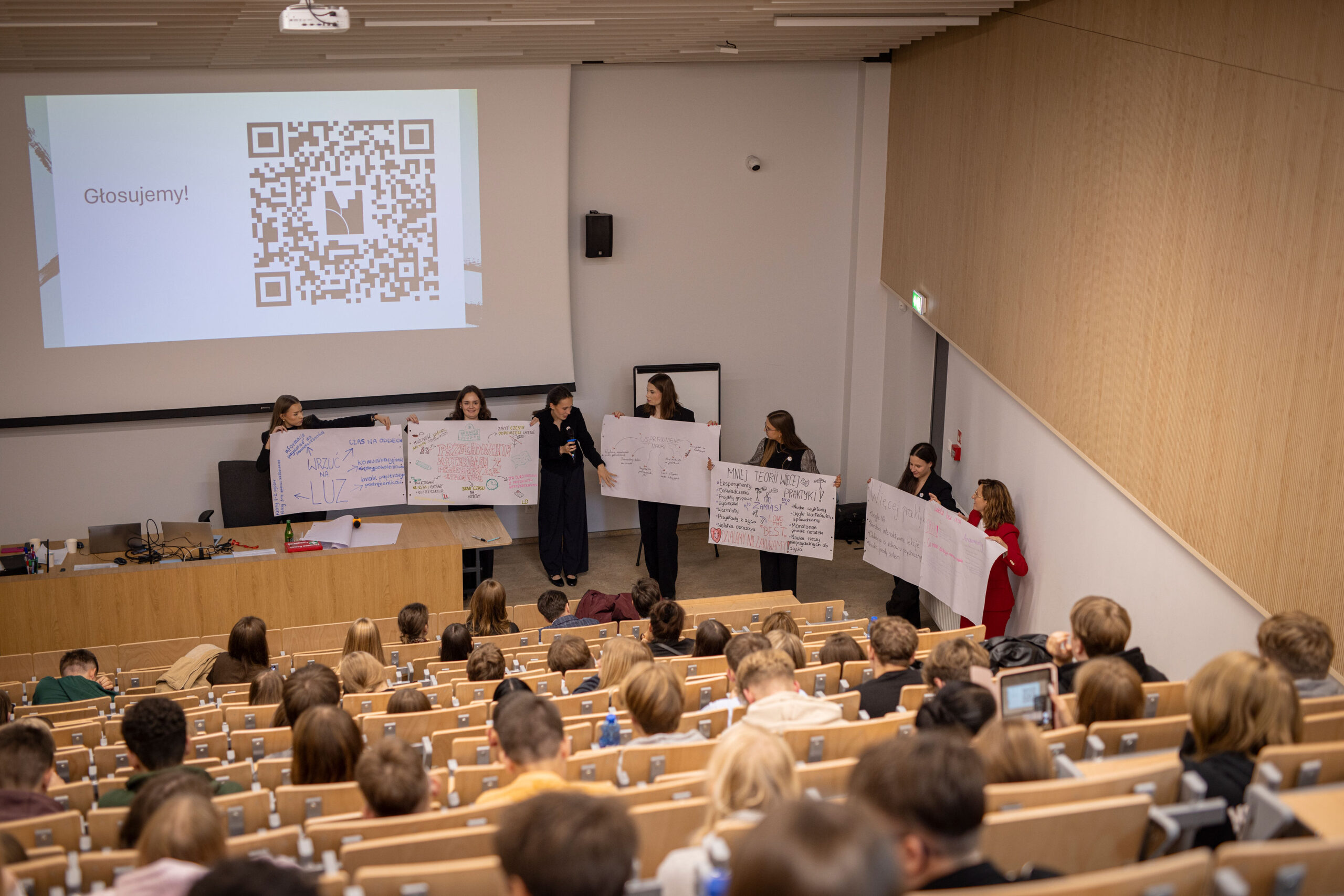
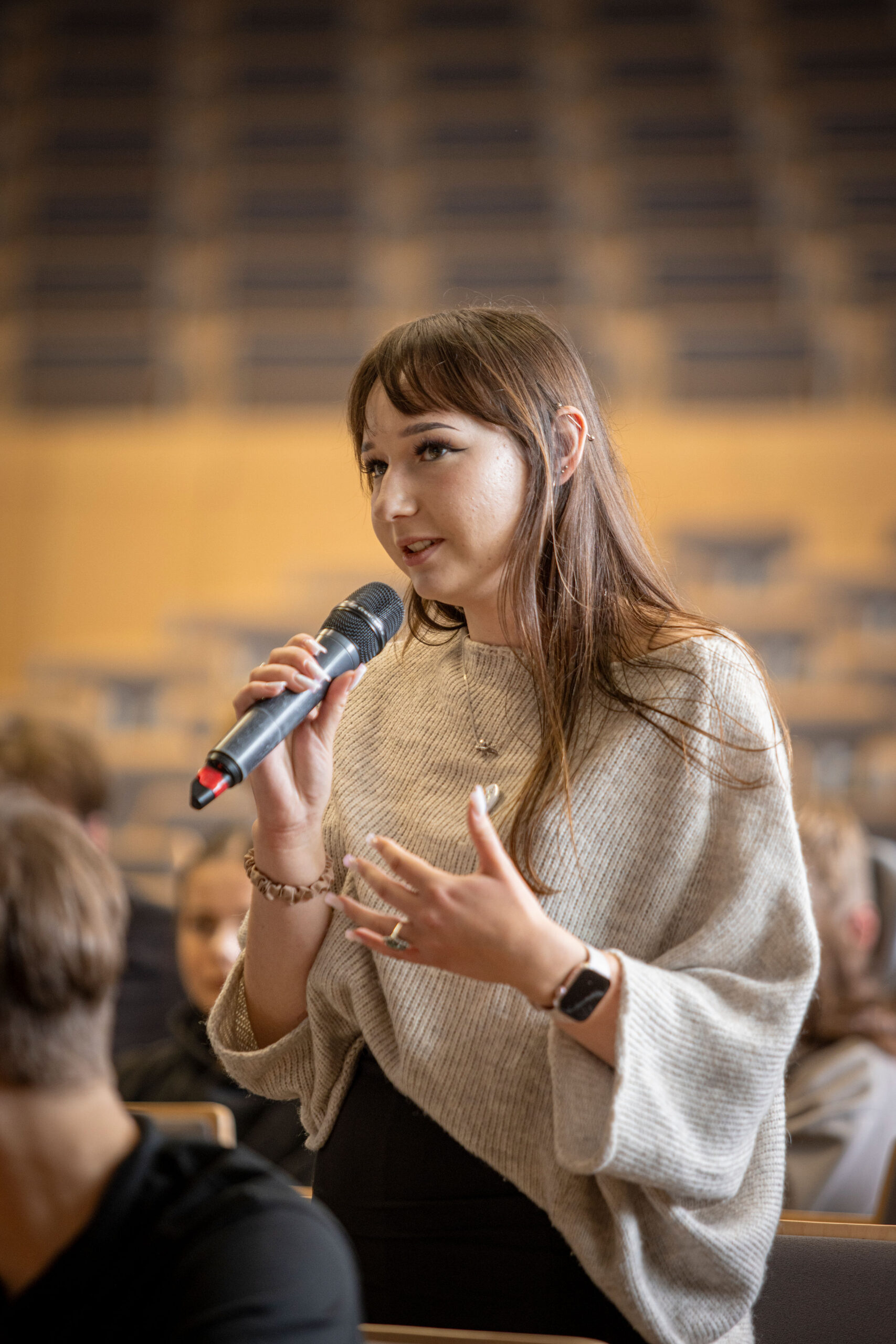
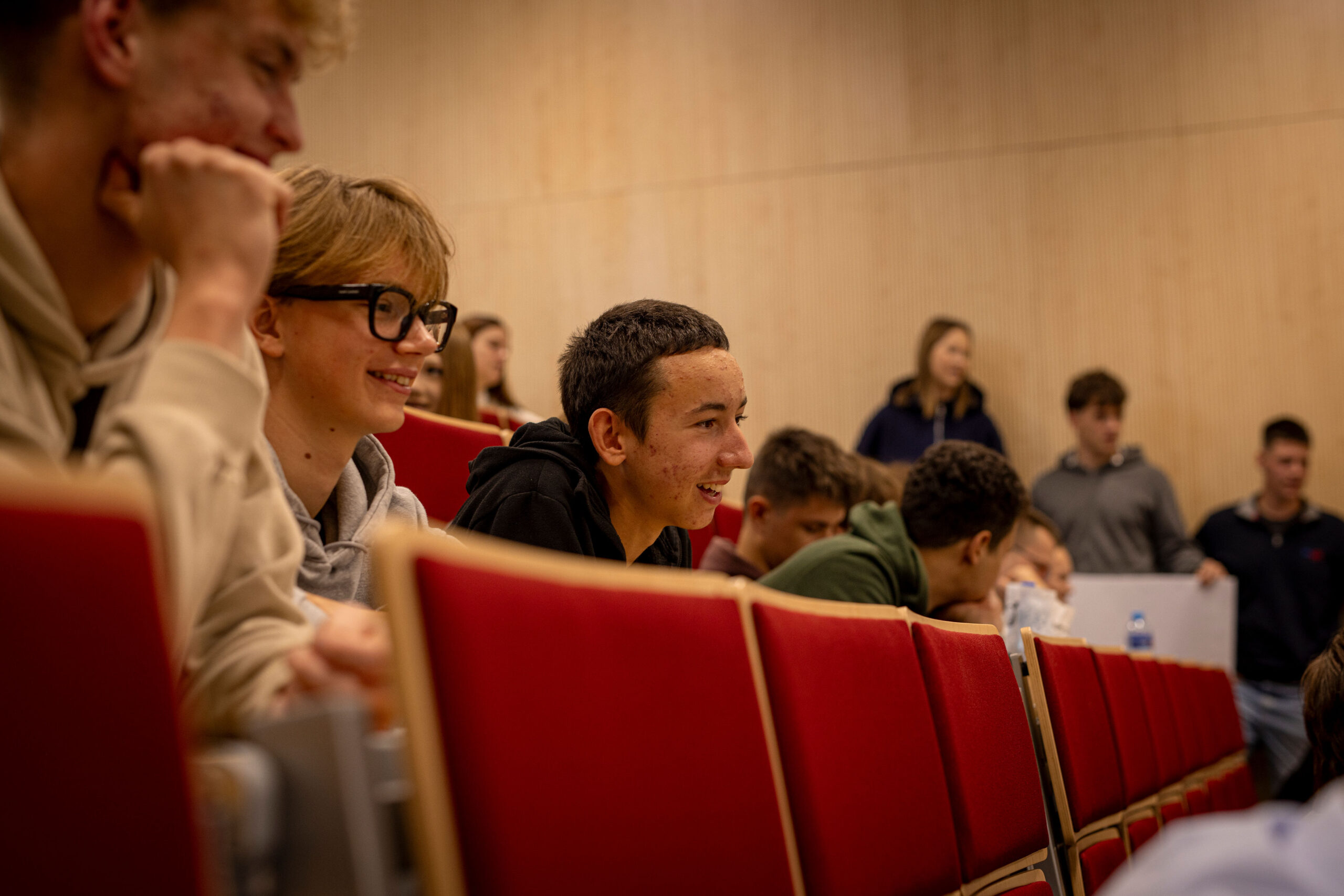
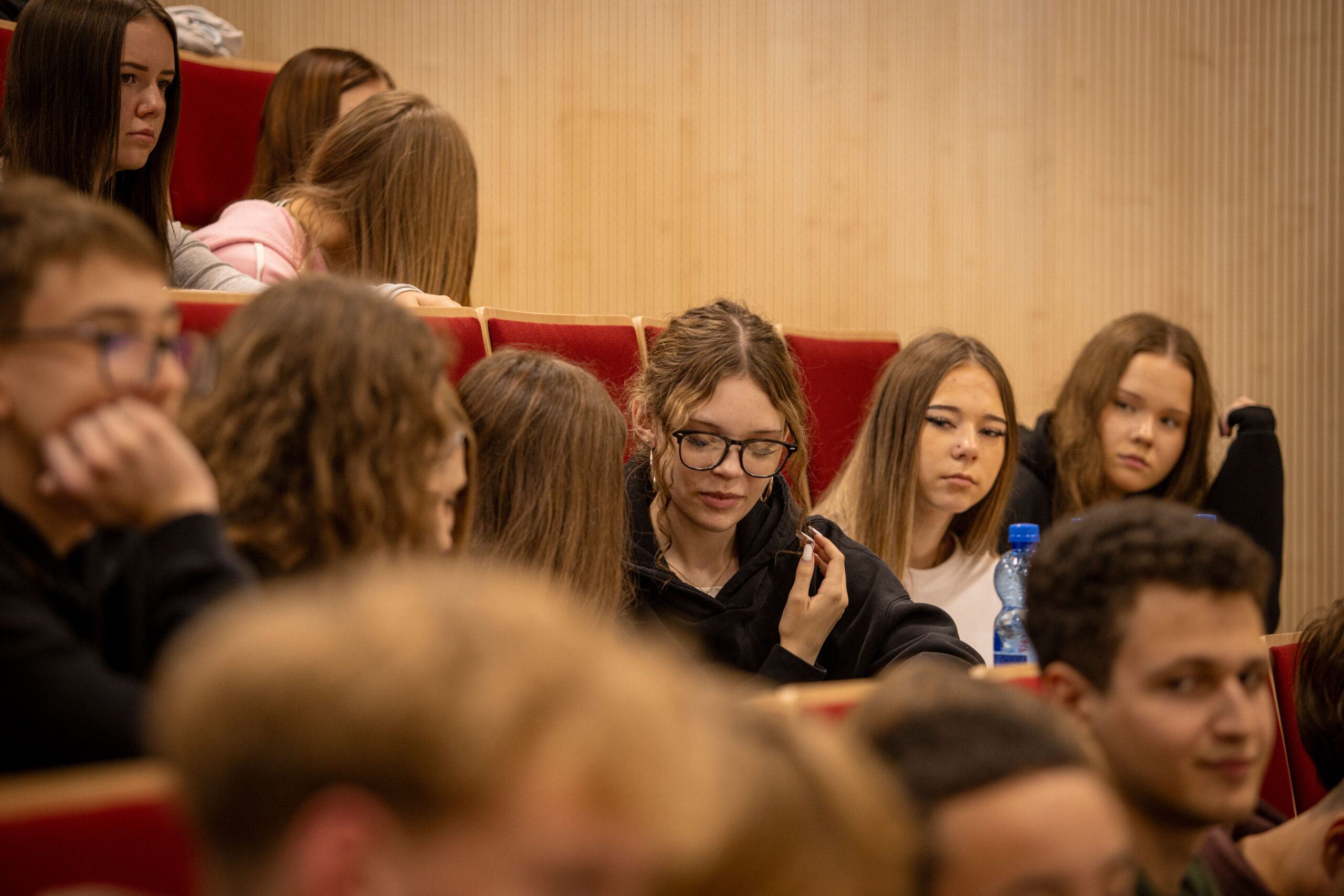
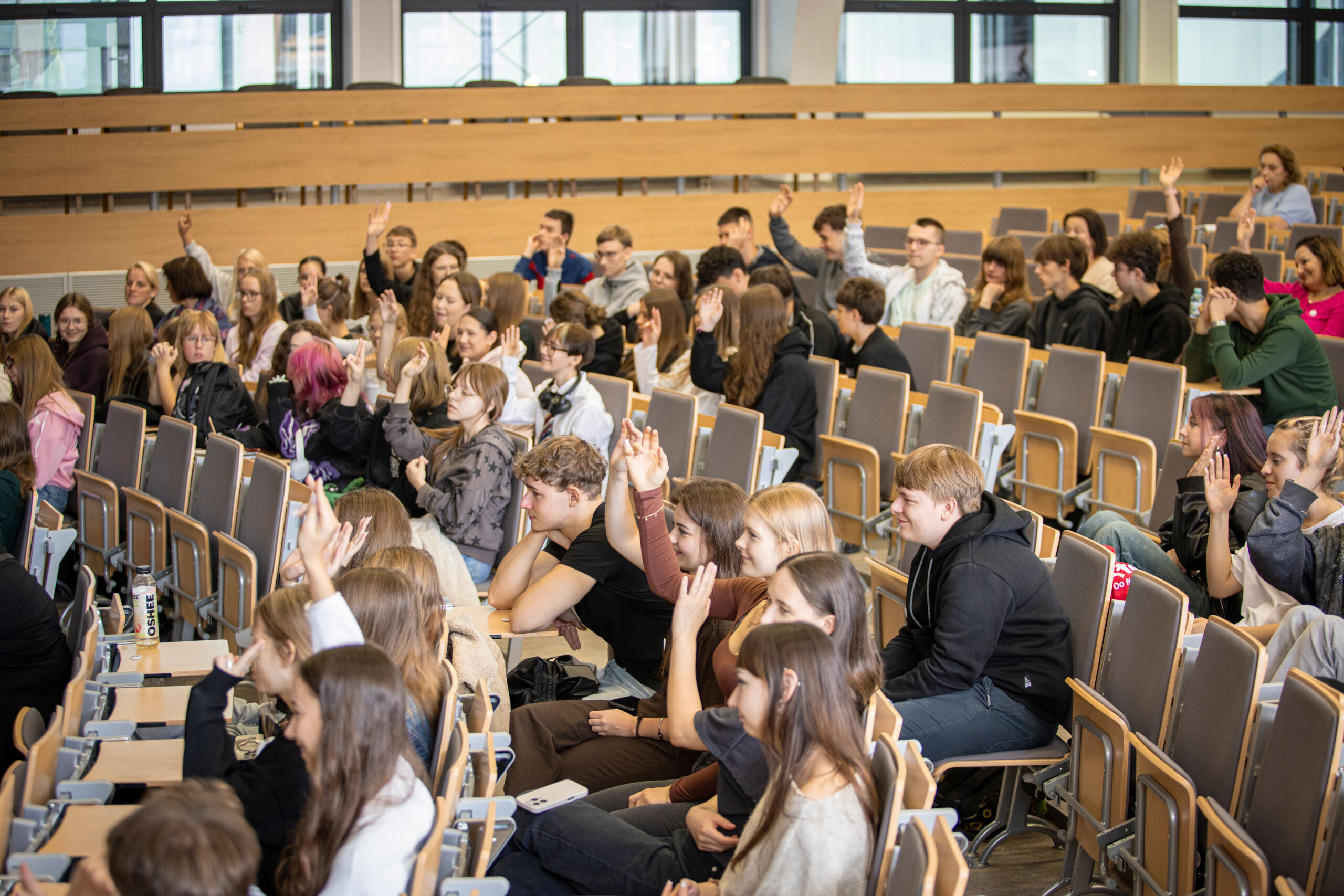
At the heart of the Forum, however, were the secondary school students who took part in large numbers alongside their teachers. Rather than simply discussing education as a topic, the young participants were invited to identify what they felt should change and work together to develop concrete projects that could improve their own schools.
The collaborative process culminated in a democratic vote, through which participants selected the proposal they wanted to support. The winning project, “Wrzuć na luz” (“Take It Easy”), was developed by students from XXXIII Secondary School in Łódź. The project will now move beyond the Forum, with the university students continuing to work with the young people to explore how their proposed changes can be implemented in their school.
This process reflects the approach at the heart of YOUROPE: creating spaces where young people are not only consulted about issues that affect them, but are given opportunities to identify challenges, develop solutions, make decisions, and take part in putting those decisions into practice. The Democratic Youth Forum provided a practical space for young people to experience these principles through collaboration and democratic decision-making.
For the organisers, the Forum was also an opportunity to connect university students’ academic and practical experience with the perspectives of secondary school students, educators, experts, and local decision-makers. The event demonstrated how dialogue between these groups can create space for young people’s ideas to be heard and translated into concrete action.
The 1st Democratic Youth Forum brought together participants from XXXIII Secondary School in Łódź, the Secondary School in Wiśniowa Góra, and III Secondary School in Bełchatów, whose ideas and engagement were central to the event. Their participation marked an important first step in a process that will continue as the winning project is developed and implemented in the months ahead.
Photos: Szymon Rusek