News

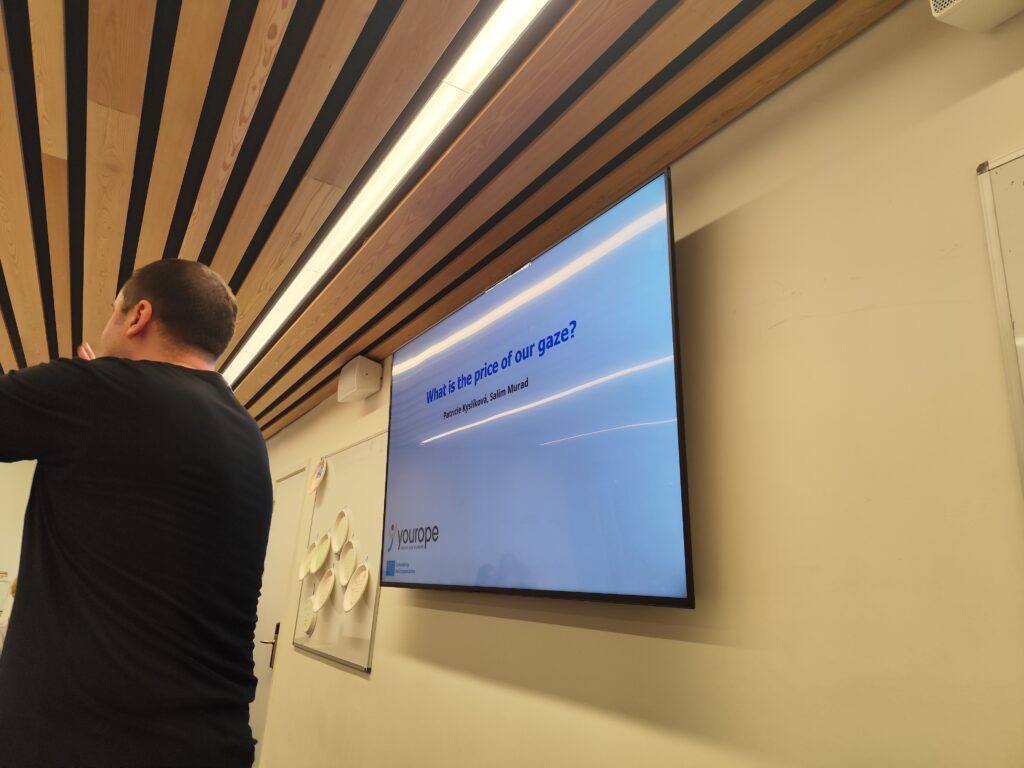
What is the price of your gaze? YOUROPE at MCCT 2026

29 June 2026

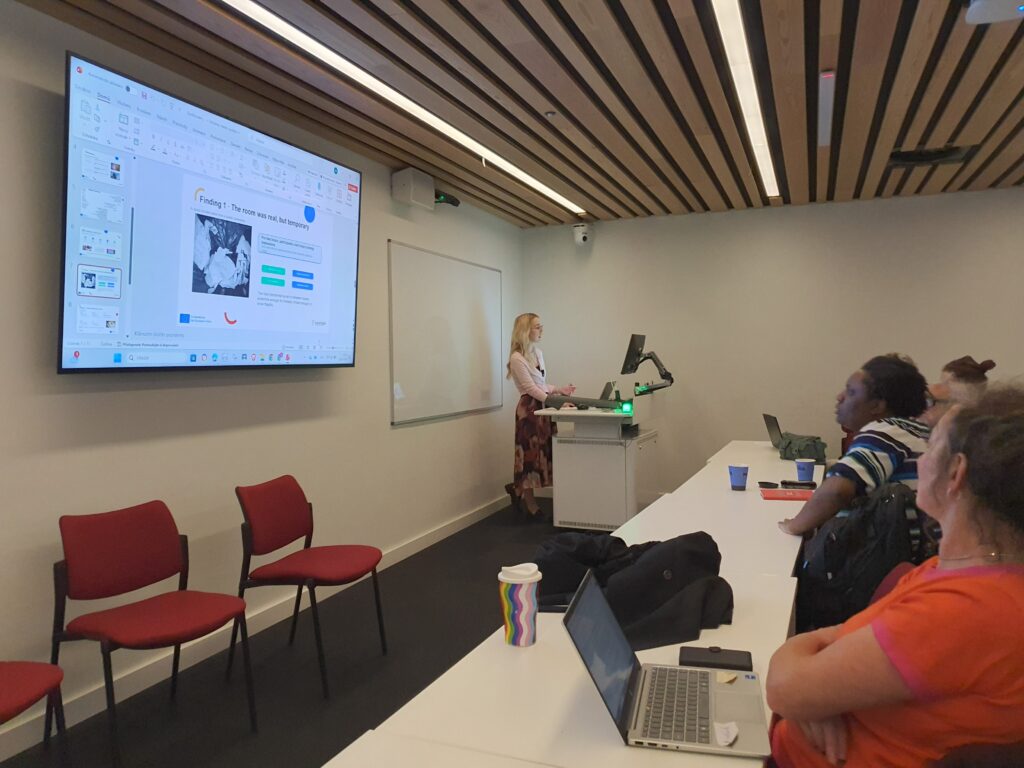
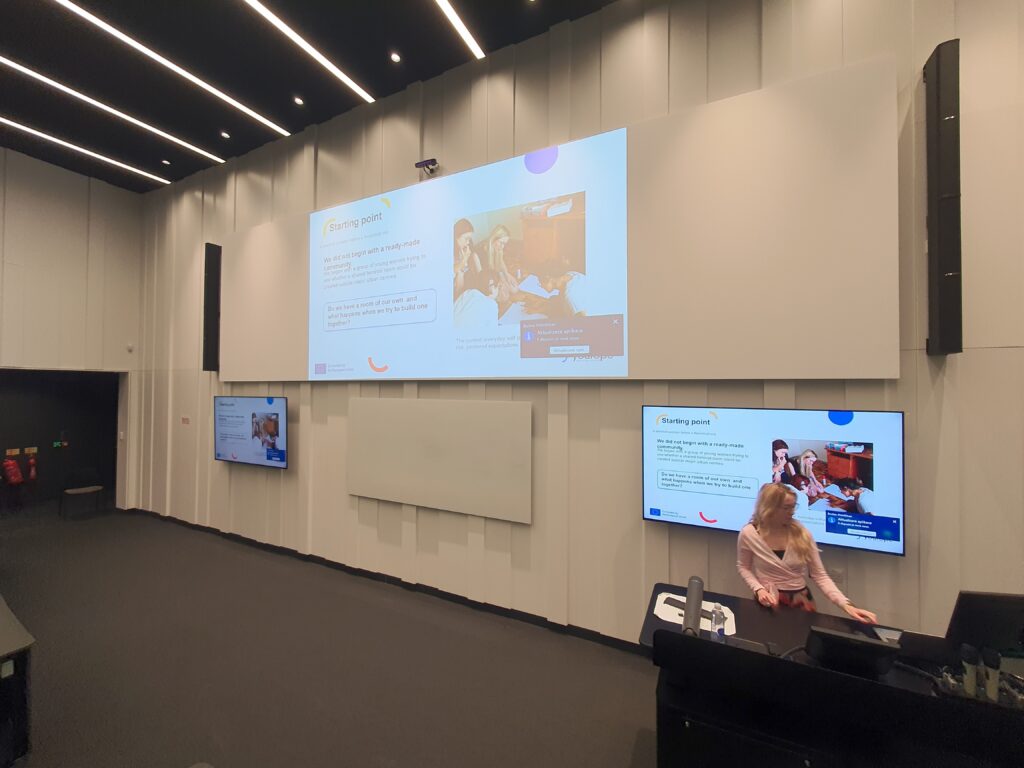
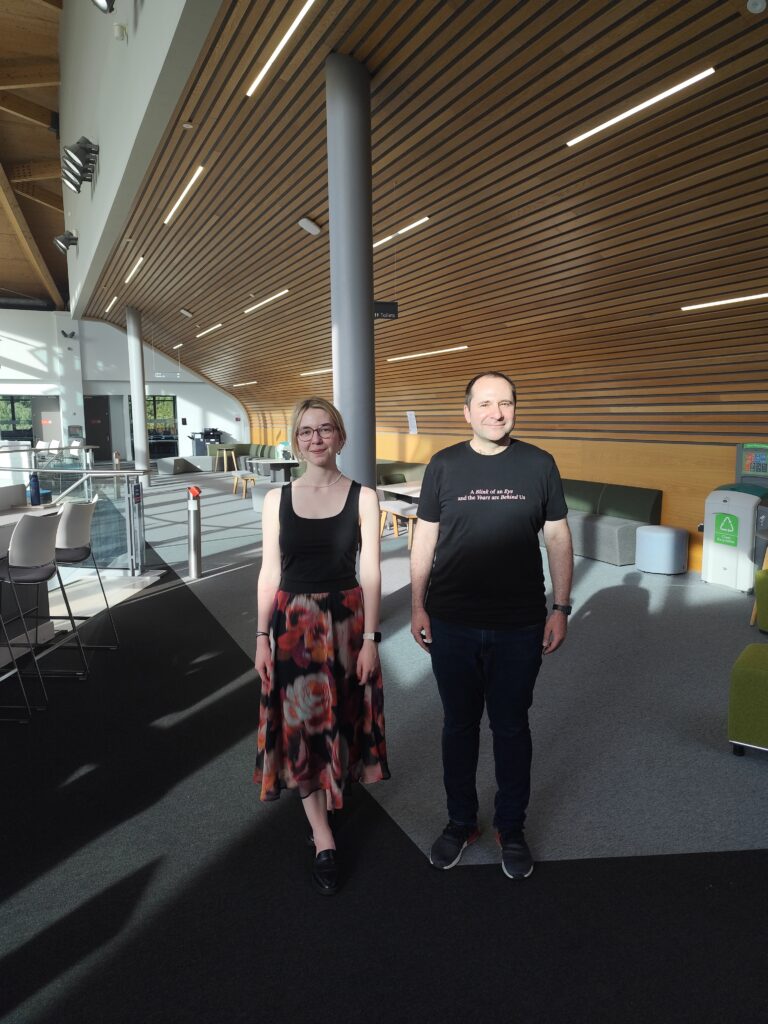
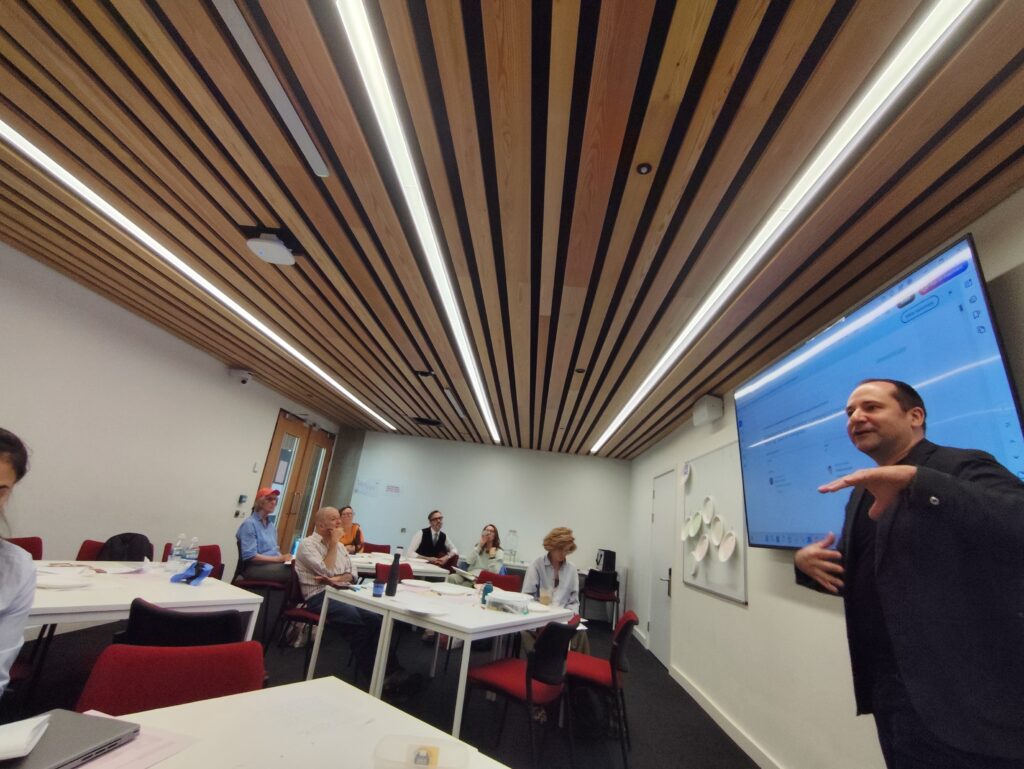
In May 2026, Patricie Kyslíková and Salim Murad represented the Czech YOUROPE team at the Midlands Conference in Critical Thought 2026, held at the University of Warwick. Over two conference days, they presented two papers connecting the YOUROPE project with feminist participatory research, arts-based methods, non-linear pedagogy, and work with young people from disadvantaged backgrounds.

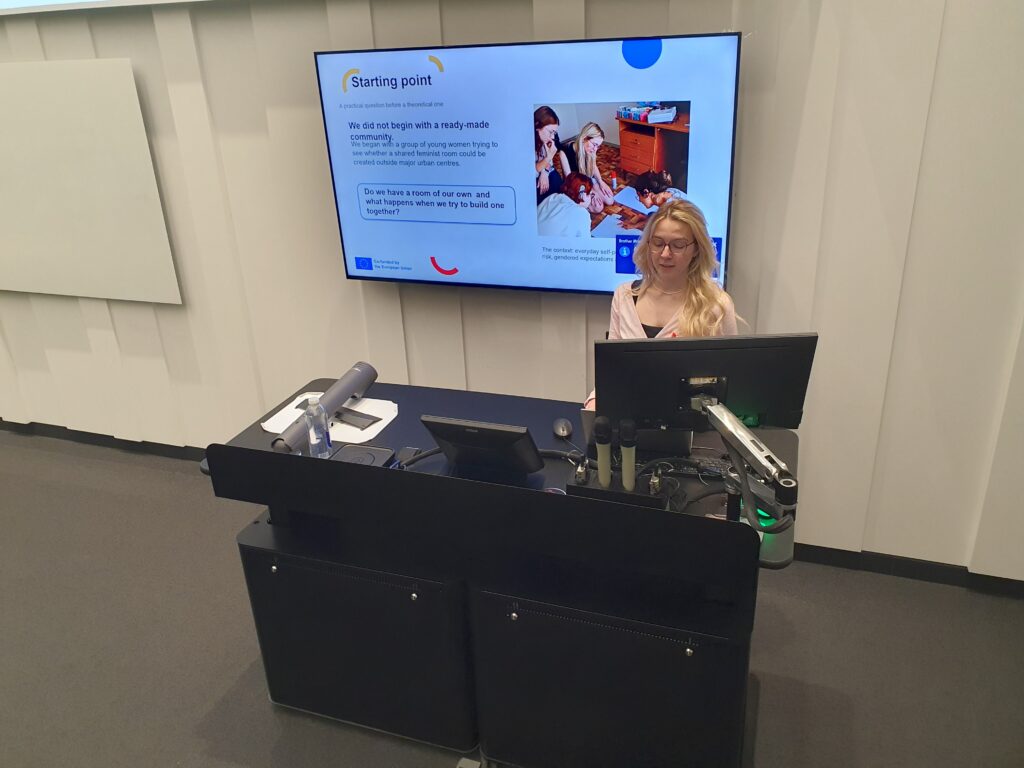
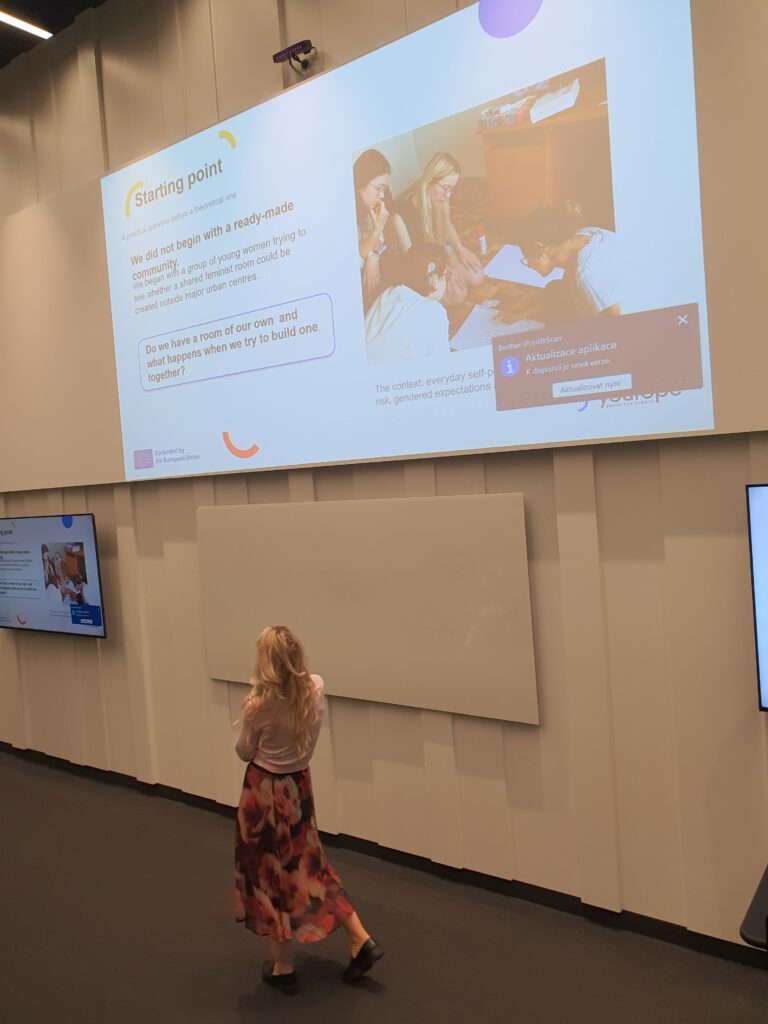
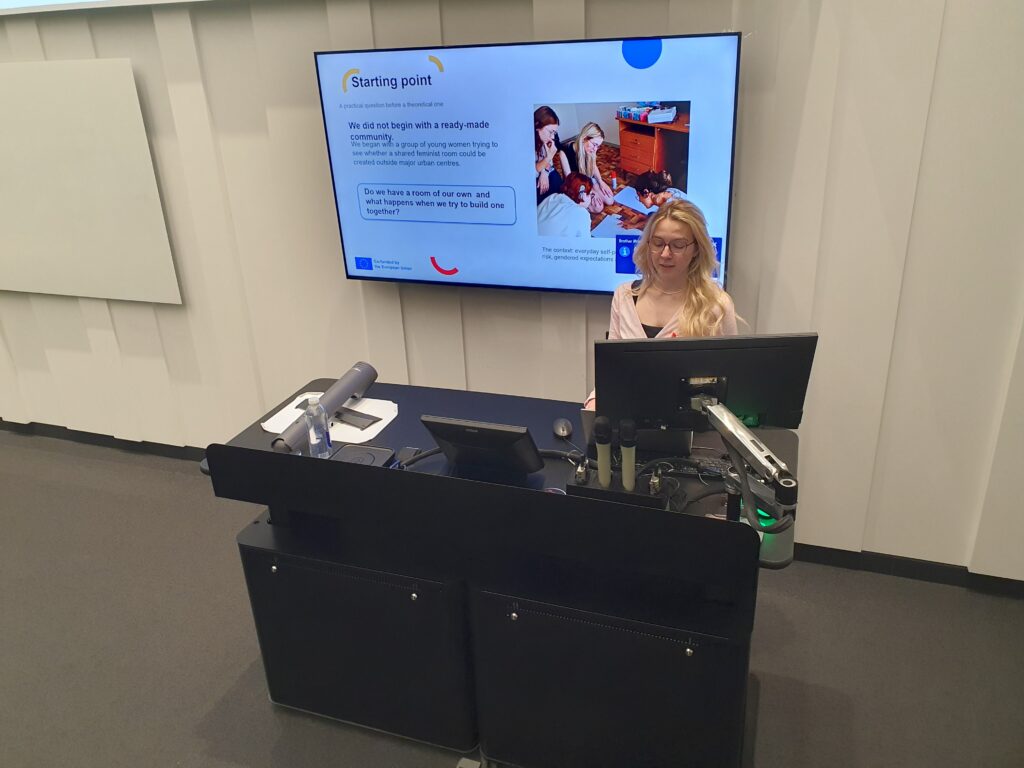
Their first presentation, “‘The Room of Many, of One’: Feminism under Surveillance,” focused on the Community-Led Research and Action cycle with young women from České Budějovice and beyond. Patricie presented how CLRA, combined with arts-based methods, can create a space for young people to express experiences connected to gender, body image, social pressure, judgement, and everyday forms of precarity. She also reflected on the limits and challenges of participation, especially when young people face school, work, lack of time, exhaustion, and wider neoliberal pressures that make active involvement more difficult. Salim Murad connected the presentation to broader questions of feminism and collective action in Czechia.

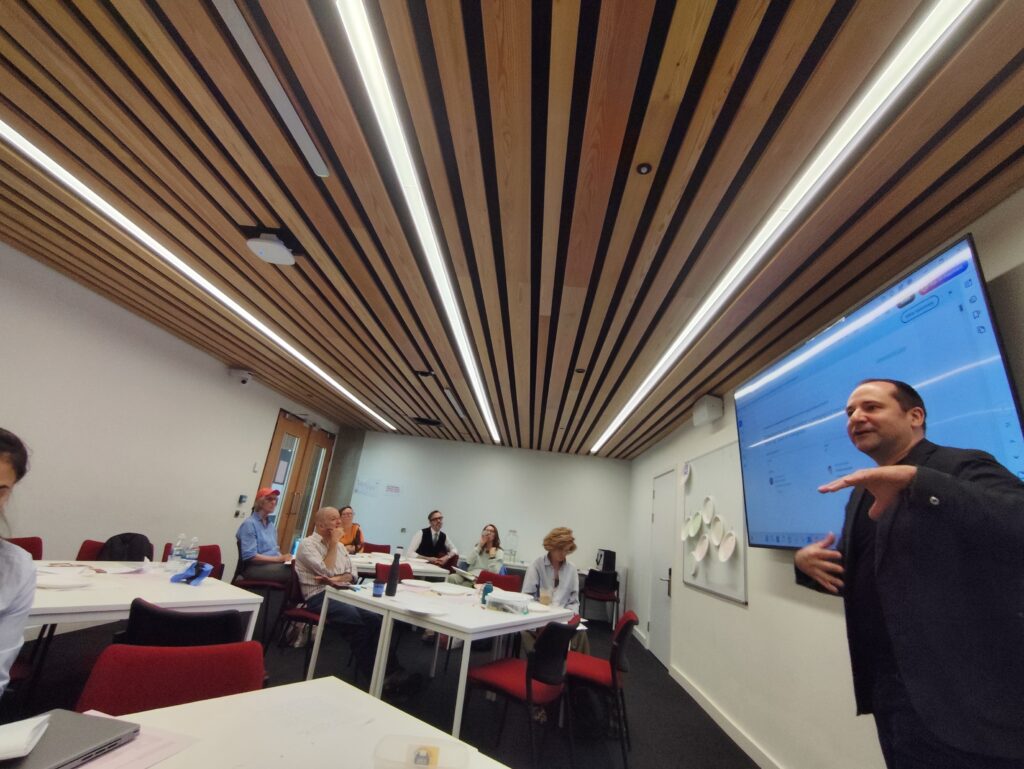
Their second presentation, “What Is the Price of Your Gaze? Disrupting Urban Commodification Through Non-Linear and Place-Based Pedagogy,” showed how non-linear and place-based pedagogical approaches can be used in education and youth work. Salim shared examples from his teaching at the Faculty of Health and Social Sciences, University of South Bohemia, as well as from his course at the Pedagogical Faculty at Charles University. Together, Patricie and Salim showed how they work with young people from disadvantaged backgrounds by moving learning outside traditional classrooms and using streets, public spaces, mapping, observation, discussion, and creative methods as tools for critical reflection.

The conference also continued their involvement in recent years in academic and practice-based debates on participation, critical pedagogy, and creative methods. For the Czech YOUROPE team, MCCT 2026 was not only an opportunity to present their work, but also a space to engage in dialogue, receive feedback, build new partnerships, and explore future collaborations.
Framework and Toolkit

Youth-informed theory and a practical EU Citizenship Toolkit
 
Where the road leads: a grassroots-informed theoretical framework on European citizenship and democracy, built from the ground up on youth perspectives, and a youth-centred EU Citizenship Toolkit that turns these insights into practical resources for educators, youth workers and young people themselves. Results are expected in 2027.

Main Survey

Measuring what matters, in language grounded in youth voices
 
The findings of the exploratory survey feed directly into the design of the main survey: a larger instrument grounded in young people’s own language, experiences and priorities. Instead of asking young people to respond to researchers’ categories, the main survey measures what matters in terms young people themselves have shaped.

Exploratory Youth Survey

Learning from young people in their own words
 
Rather than starting from predefined assumptions, YOUROPE wants to learn directly from young people in their own words. This exploratory survey invites young people across Europe to share their views and experiences on citizenship, democracy, participation, inclusion and digital life. It is anonymous, voluntary, available in nine languages, and takes 10–15 minutes: an important first step in a co-creation process that places youth voices at the centre of the research.

Research Foundations

Policy analysis and systematic literature review

Every roadmap needs a starting point. WP3 began with two parallel strands of research: a policy analysis mapping how youth citizenship and democratic participation are addressed across Europe, and a systematic literature review of what existing research tells us about young people, democracy and participation. Together, these form the evidence base of WP3 and are published as part of the WP3 report.

Dialogue Map

Turning findings into conversations on the dimensions of democratic life 
 
Building on the research findings, the team in Augsburg developed the Dialogue Map: a tool that turns what we learned into conversations. It is organised around key dimensions of democratic life, from youth voice and European citizenship to participation, inclusion and digital citizenship, each with a key question and discussion prompts to open up dialogue with and among young people.

D6 · Dimension

Digital Citizenship

Digital environments as civic and political space

KEY QUESTION
What does it mean to be a citizen online?
DISCUSSION PROMPTS

D5 · Dimension

Inclusion and Justice

Structural inequalities and intersecting identities

KEY QUESTION

Do you think everyone has equal opportunities to participate in society?

DISCUSSION PROMPTS

D4 · Dimension

Participation and Power

Procedural vs. substantive participation

KEY QUESTION

When does participation actually make a difference in your life?

DISCUSSION PROMPTS

D3 · Dimension

European Citizenship

Europe as lived democratic space

KEY QUESTION
What does ‘Europe’ mean to you in your everyday life?
DISCUSSION PROMPTS

D2 · Dimension

Youth Voice & Knowledge

Young people as knowers, not just learners

KEY QUESTION

Do you feel that young people’s voices and experiences are taken seriously?

DISCUSSION PROMPTS