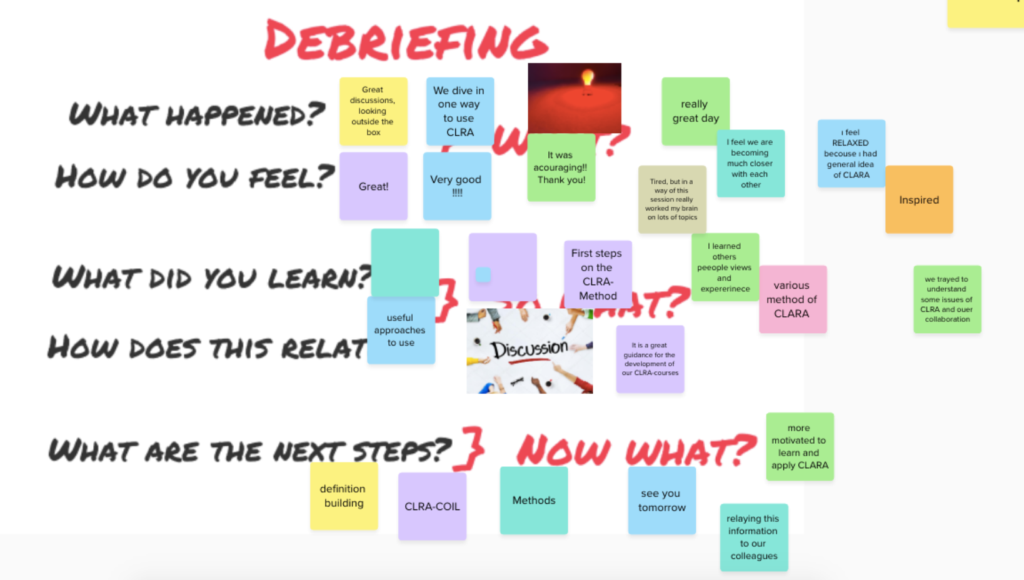
From 13th to 15th January, the Yourope project held its first internal workshop on Community-Led Research and Action (CLRA) methodology. Led by Dr. Naomi van Stapele (THUAS) and Dr. Luca Morini (Coventry University), the online sessions brought together project partners for an in-depth introduction to CLRA. Over three days, participants engaged in four-hour interactive workshops designed to familiarise them with the methodology and its implementation with students. Now equipped with the necessary knowledge and skills, they are ready to integrate CLRA into their research and educational activities across Europe.
What is CLRA?
Community-Led Research and Action (CLRA) is a participatory research model that places young people at the forefront of investigating and addressing societal challenges. Rooted in democratic principles, CLRA ensures that youth and their communities collaboratively research, analyse, and act upon issues that directly impact them. Within the Yourope project, this methodology serves as a tool to connect grassroots experiences with European policy discussions, fostering greater youth engagement in democracy.
CLRA follows a five-phase, iterative process inspired by Appreciative Inquiry, which prioritises strengths, aspirations, and co-created solutions rather than focusing solely on challenges. The methodology unfolds over a four-month research cycle and is implemented across multiple educational institutions.
The Five Phases of CLRA
1. Define – The research cycle begins with young people identifying key societal issues that matter to them and their communities. This phase involves exploratory discussions and establishing relationships with relevant stakeholders.
2. Discovery – Youth researchers conduct in-depth fieldwork, including interviews, research walks, and consultations with experts and community members. This phase helps them analyse how European policies shape local realities.
3. Dream – A creative and visionary stage where young people imagine alternative futures and consider how democracy could be more inclusive. Methods such as art, storytelling, and participatory theatre are often used to explore aspirations.
4. Design – Participants translate their insights into practical solutions, such as policy recommendations, awareness campaigns, and community-driven initiatives. This phase ensures that research findings lead to tangible outcomes.
5. Destiny – The final stage focuses on action and sustainability. Young people implement their initiatives, engage policymakers, and assess their impact, ensuring long-term democratic participation and meaningful change.
Why CLRA Matters
• Empowers young people by giving them an active role in democratic processes.
• Bridges local and European levels by connecting community issues with broader policy discussions.
• Uses creative engagement methods such as exhibitions, theatre, and storytelling to make democracy more accessible.
• Strengthens youth participation in decision-making, ensuring that underrepresented voices are heard.
This inaugural CLRA workshop marks a crucial milestone for the Yourope project, equipping its partners with the tools needed to implement a youth-led, research-driven approach to European democracy. With a shared understanding of the methodology, the project is now ready to support students in leading meaningful change within their communities.